
By: André van der Merwe (Manager: Branch and Shooting Affairs)
A growing number of game farm owners charge a fee when a hunter misses a shot while hunting on their farms. This fee ranges from half the price to the full price of the animal that the hunter intended to shoot
Table of Contents
The writers perspective
Following a recent query I received in this regard, it would seem that certain hunters disagree with this trend. I wish to provide some perspective on this matter:
- It is the prerogative of the game farmer to make the rules for hunting on his property. Accordingly, hunters have the choice to accept these conditions when booking a hunt.
- To avoid any misunderstanding, it is important for hunters to insist on written confirmation of the price of game and the rules and conditions from the game farm owner before finalising the booking.
- If the game farm owner charges a fee for missed shots, the hunter can go ahead with the booking or reconsider.
From the game farm owner’s perspective
Let’s put ourselves in the shoes of the game farm owner to obtain a better understanding for charging a fee for missed shots. Game farmers do have a problem with hunters that are not well prepared for the hunt and wound game or miss. There are numerous reasons for this:
- inadequate shooting skills and insufficient practice at the shooting range;
- inadequate equipment, e.g. rifle, scope or ammunition;
- hunters that attempt shots that are too difficult for them, e.g. game that is too far away;
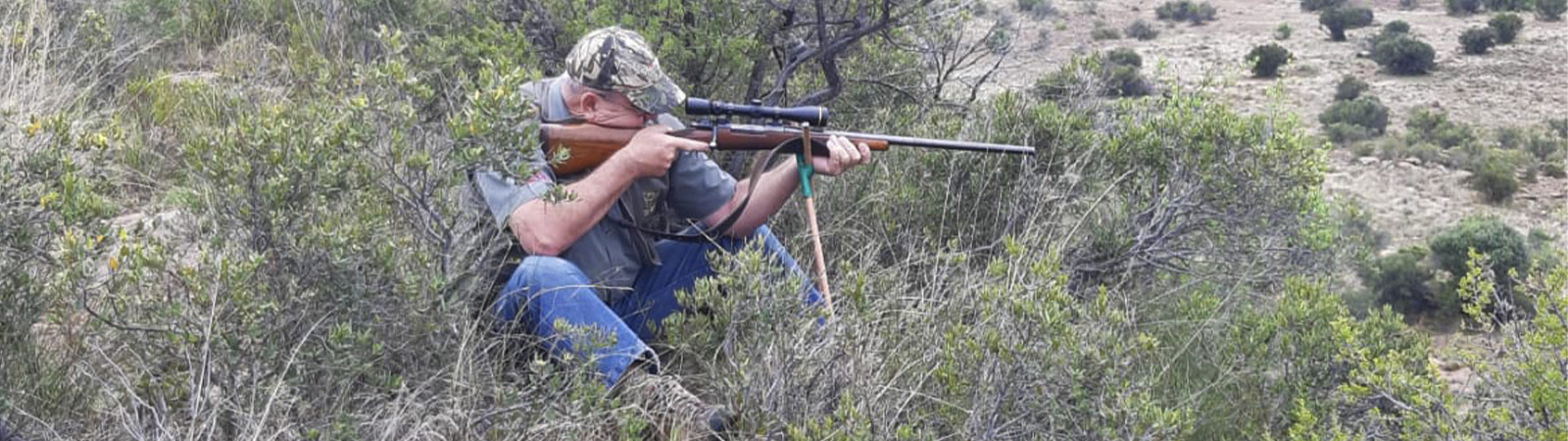
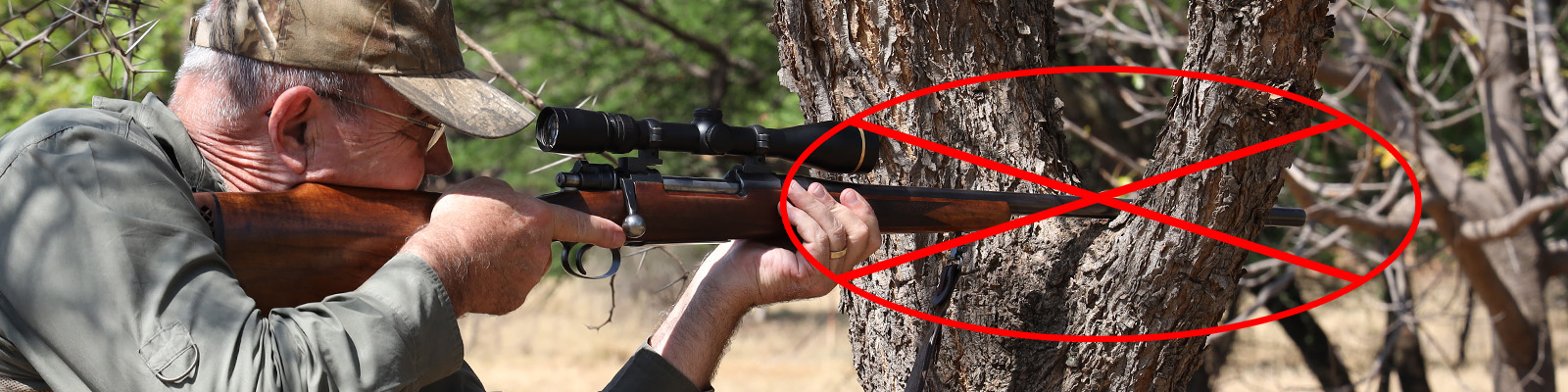
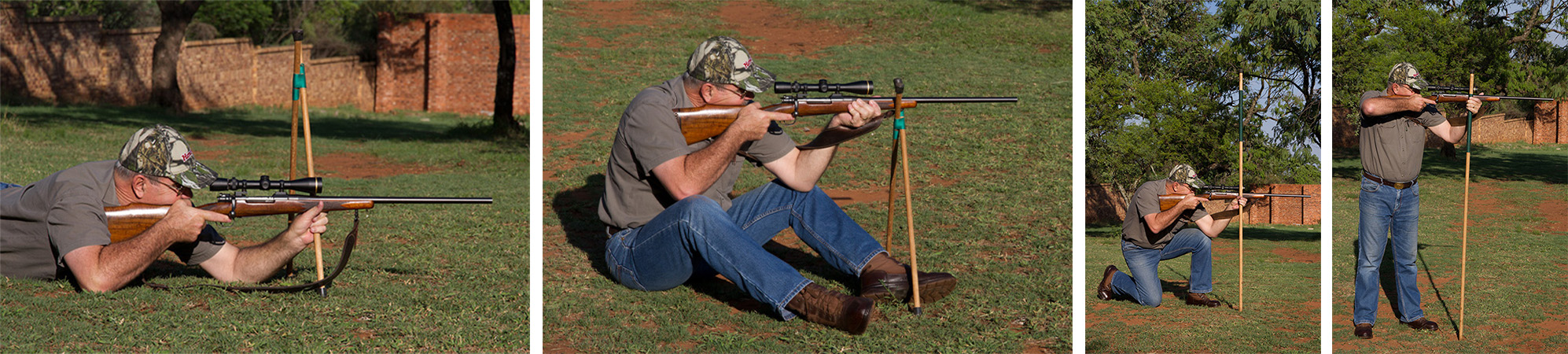
- unfavourable shooting position;
- strong wind that influences the direction of the bullet; and
- shooting at a moving animal.
Preparation
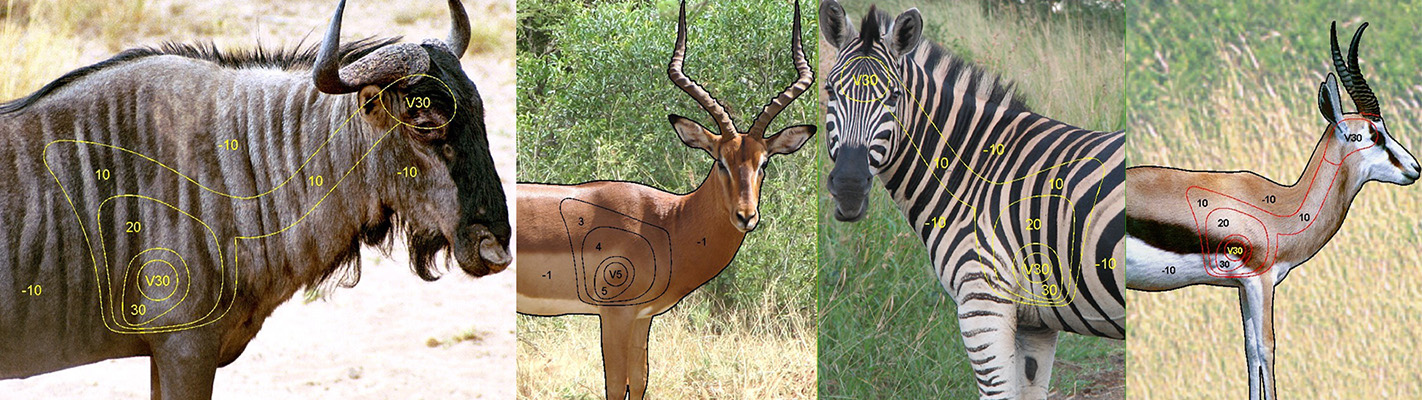
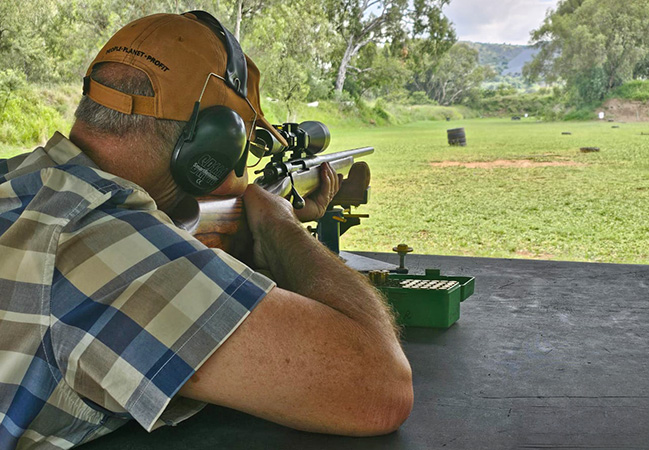
Proper hunting preparation begins at the shooting range. SA Hunters’ hunting-focused shooting exercises allow shooters to practise from various positions using hunting-appropriate firearms and realistic animal targets that simulate different scenarios, such as bushveld or plains hunting. These exercises are designed to enhance shot placement and minimise the risk of wounding animals. For a comprehensive article regarding preparation read the following: Practical shooting skills for accurate shot placement when hunting.
Missed or wounding shot
In most instances when a hunter shot missed the animal, he should not have taken it in the first place because he could easily have wounded the animal and would have had to pay for it in any event. It is often difficult to distinguish at a glance whether the shot missed or whether the animal was wounded. Even experienced hunters and guides can make a judgement error and declare a missed shot when it actually wounded the animal (even if a second person carefully observes the animal’s reaction after the shot was fired). This can result in wounded animals only being discovered after the hunter had already left the farm, leaving the game farmer to bear the damages and loss of income.
During a five year period, I experienced three incidents where either the guide or my fellow hunter assured me that my first shots missed. But every time, I was confident about my shot and insisted on following up. I found each animal within 50 to 300m. In one instance, the kudu cow was dead and in two other cases I needed to fire a second shot to kill the animals. The bullets went straight through the animals and hit the ground on the other side. The person that called a missed shot, based his assumption on the dust cloud he spotted on the other side of the animal. I am convinced that there are many such examples where animals have been wounded. Many were found, but many others were not. These so-called missed shots were indeed all on target. When the trigger has been pulled the final responsibility rests with the hunter – you should always trust your own judgement regarding the shot placement and satisfy yourself with a proper follow-up of the animal.
Proper follow-up
What is meant with a proper follow-up of the shot? This should always start at the place where the animal was standing when it received the shot or last seen, finding the correct animals tracks and then to start tracking the animal while searching for blood, small pieces of bone, saliva, any tissue, stomach content or other fluids. If nothing is found, look at the animals tracks to see for example if a leg is broken – a wound that sometimes leave behind very little blood. This is when a good tracker may make all the difference when the spoor of a wounded animal is difficult to find and “read” during the follow-up. Calling in the assistance of good dog able to take the spoor if available should be considered as well to aid in finding the wounded animal.
This is a sensitive issue, but hunters should take into consideration that wide shots and wounding an animal are equally unacceptable for the game farm owner, hence the fee for wide shots. This should motivate the hunter to take extra care before taking the shot.
Circumstances outside the control of the hunter
Wounding an animal is not always caused by a negligent or incompetent hunter and might be caused by circumstances outside the control of the hunter, e.g. an animal that moved at the same moment that the trigger was squeezed. Many hunters have experienced that horrifying and irretrievable moment when they see the animal moves just as they squeeze the trigger. The bullet is on its path and the hunter knows he has a wounded animal to deal with. There is a popular saying among hunters: If you have not yet wounded an animal, you have not been hunting long enough or you are not honest enough.” When you hunt, the unexpected happens. It is all part of the things that you love and hate about hunting.
The hunter's responsibilities
- The hunter’s responsibility towards the animal, i.e. to kill with the first shot, determines his approach and preparation to hunt.
- The hunter remains responsible for his actions, whether he misses or wounds the animal. It is part and parcel of hunting.
- If you are confident that your shot should have killed the animal and the animal does not respond as you expected it to (it runs away, seemingly unharmed), you should assume that it has been wounded and do everything possible to find it.
- A wounded animal deserves every possible attempt by the hunter to find it and kill it. The animal gives up his life for a successful hunt.
- If you missed, accept the responsibility and pay the price for the missed shot as agreed with the game farm owner.
SA Hunters Code of Honour
The following excerpt from the SA Hunters Code of Honour summarises the responsibility and attitude that all hunters should strive for:
- Hunt with compassion and utilise from nature with utmost discretion;
- Actively conserve and promote with love and respect, fauna and flora, soil and water and the life it represents;
- Employ my firearms with skill and consideration, and with understanding for the value of life.
Privilege
It is an incredible privilege to hunt and it remains a special responsibility to take the life of a living being. Never take it for granted! Do we respect this privilege and accept our responsibility with the correct attitude?
About the author
André van der Merwe is a dedicated consumptive hunter who has nurtured his passion for hunting over the past 60 years. During the last three decades, he competed regularly in hunting rifle and field shooting competitions. In 2006, he joined SA Hunters as the Manager, Branch and Shooting Affairs, to support the association’s 83 branch committees. As secretary of the shooting committee, he coordinates shooting activities at branch, regional, and national levels, and promotes and stimulates sport shooting. His commitment to mentoring the next generation of firearm owners, shottists, hunters, and custodians of our natural and cultural heritage is at the heart of his legacy. Read André’s biography here.