
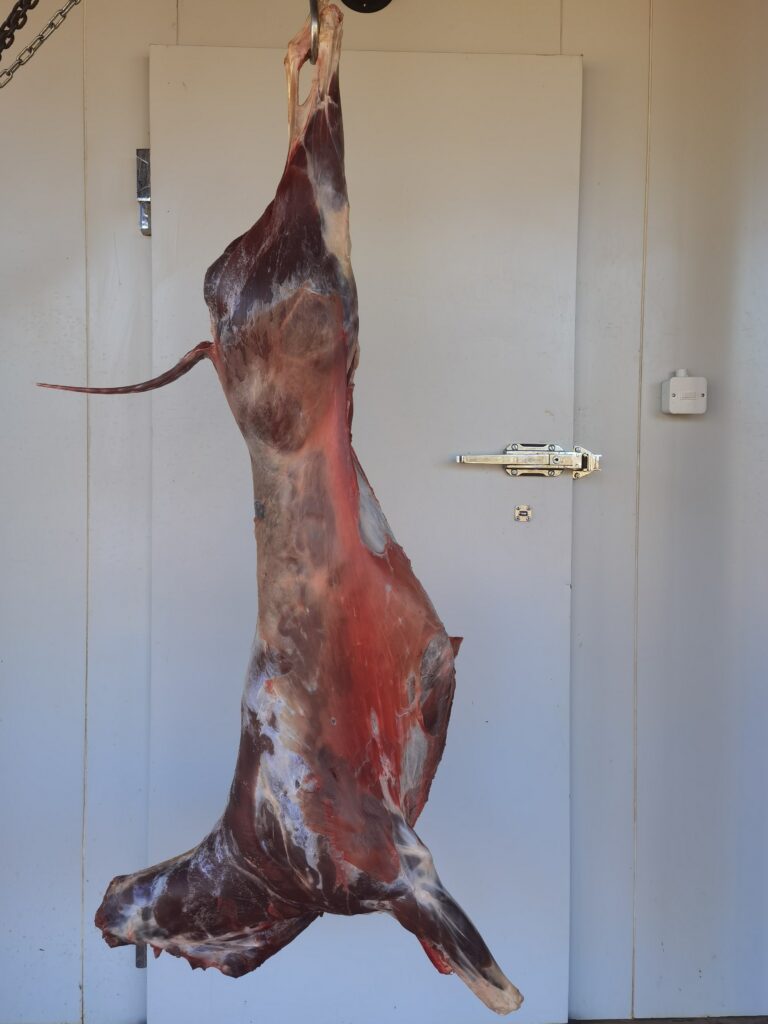
With the outbreak of foot-and-mouth disease in various provinces, hunters should take note of the following:
Careless movements can spread the disease further inland, potentially dealing another blow to the struggling economy.
Foot-and-mouth disease is highly contagious. Any cloven-hoofed animal coming into contact with infected animals or products can contract the disease
This means that farms bordering quarantine farms may already be infected if wildlife came into contact with the virus.
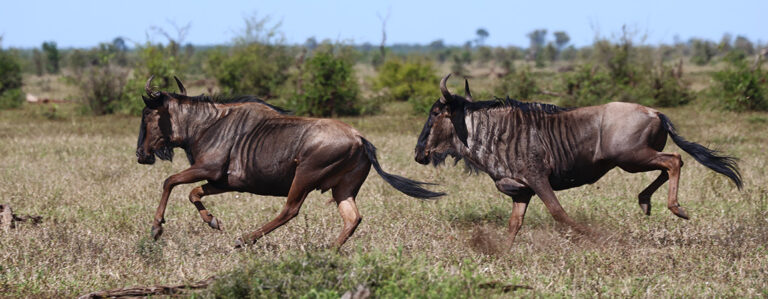
Although certain species are more resistant and may not show symptoms of the disease, the virus can persist in the animal, effectively infecting it.
The virus is not contagious to humans, and cooking the meat destroys the virus.

Wat is bek-en-klouseer?
Bek-en-klouseer is ʼn hoogs aansteeklike en soms noodlottige virussiekte wat by spleethoewige diere voorkom. Die siekte kom wêreldwyd voor en hou ʼn ernstige bedreiging in vir diereproduksie. Al is baie lande reeds vir etlike jare bek-en-klouseer-vry is, bly dit steeds ʼn groot bron van kommer. Streng biosekuriteitsmaatreëls is noodsaaklik om uitbrekings te voorkom.
Mense is normaalweg nie vatbaar vir die bek-en-klouseer-virus nie en dit moet nie verwar word met “hand- voet- en mondsiekte” wat wel by mense voorkom nie.
Simptome
Tipiese simptome van bek-en-klouseer sluit in ʼn hoë koors, asook sere en of blasies in die bek wat oormatige slymerige speekselafskeiding veroorsaak. Sere en blase kan ook tussen die kloue voorkom; dit bars dikwels oop en lei tot kruppelheid.
Diere verloor hulle eetlus as gevolg van die pynlike sere in die bek en kondisie neem vinnig af. By melkbeeste is daar ook ʼn skerp afname in melkproduksie. Alhoewel sekere spesies – veral wildspesies – meer weerstandig is en nie altyd simptome toon nie, kan die virus steeds in die dier voortleef en ander diere besmet.
Hoewel die meeste diere uiteindelik van bek-en-klouseer herstel, kan dit inflammasie van die hartspier veroorsaak en in ernstige gevalle tot vrektes lei, veral by jong en verswakte diere. Sommige besmette diere toon geen sigbare simptome nie maar kan steeds die siekte oordra.
Beheermaatreëls
Die Departement van Landbou, Grondhervorming en Landelike Ontwikkeling het ʼn NASIONALE NOODPLAN aangekondig om die uitbreek van bek-en-klouseer in die BEK-vrye sone te beheer – klik hier.
Hierdie noodplan beoog om strategieë te voorsien vir die inperking, beheer en uitwissing van ’n uitbreking van bek-en-klouseer (BEK) in die gebied wat ingevolge Tabel 1 van die Dieresiekteregulasies R2026 van 1986 as die BEK-vrye sone sonder inenting wetlik afgebaken is. Dit verskaf riglyne oor beste praktyk met betrekking tot die implementering van voorgeskrewe siektebeheermaatreëls. Indien daar ’n behoefte is om van die voorgeskrewe beheermaatreëls af te wyk, moet sodanige afwykings deur die toepaslike owerheid goedgekeur word.
In die stadium is ons ook bewus van ’n protokol in Limpopo wat die beweging van lewende hawe en wild na, vanaf en deur die provinsie reguleer klik hier. Die Noordwesprovinsie het op 14 Januarie ’n soortgelyke protokol uitgereik maar dit later weer teruggetrek.
Vir die nuutste opdatering van bek-en-klouseer (BEK ) siektegevalle in die Vrystaat klik hier.
Sover ons kennis strek, is daar tans geen beperking op die vervoer van wildsvleis nie, mits dit nie uit ʼn besmette gebied afkomstig is nie.
Voorkoming
Daar is verskeie eenvoudige metodes om die verspreiding van die virus te beperk. Lees gerus meer oor hoe jy as jagter en/of eienaar van ʼn jagbestemming die risiko kan verminder, klik hier.
Biosekuriteit
Die verantwoordelike en korrekte toepassing van biosekuriteitsmaatreëls speel ‘n sleutelrol in die voorkoming en verspreiding van die virus. Raadpleeg jou plaaslike veearts of staatveearts vir volledige riglyne oor maatreëls wat die beste in jou omgewing sal werk.
Takke van SA Jagters wat skietbane op veeplase bedryf, moet vooraf met die grondeienaar bevestig watter biosekuriteitsmaatreëls op die eiendom van toepassing is – klik hier.
Wees versigtig
SA Jagters doen ʼn dringende beroep op lede om nie die situasie onnodig te kompliseer deur ongeverifieerde inligting of gerugte oor bek-en-klouseer as feite te aanvaar en op sosiale media of mondelings te versprei nie. Doen vooraf deeglike navorsing oor die gebied waarin jy wil beplan om te jag en maak seker van die geldige feite en regulasies.
Geniet jul voorbereiding en die jag!
What is foot-and-mouth disease?
Foot-and-mouth disease is a highly contagious, sometimes fatal viral disease that affects cloven-hoofed animals. The disease occurs worldwide and poses a serious threat to animal production. Although many countries have been free of foot-and-mouth disease for several years, it remains a major cause for concern. Strict biosecurity measures are essential to prevent outbreaks.
Humans are normally not susceptible to the foot-and-mouth disease virus, and it should not be confused with the so-called “hand, foot and mouth disease”, which does occur in humans.
Symptoms
Typical symptoms of foot-and-mouth disease include a high fever, as well as sores and/or blisters in the mouth, leading to excessive, slimy salivation. Sores and blisters may also occur between the hooves; these often rupture, causing lameness.
Due to pain, animals lose their appetite, and their body condition declines rapidly. In dairy cattle, a sharp decrease in milk production is observed. Although some species, particularly certain wildlife species, are more resistant and do not always show symptoms, the virus can persist in the animal and infect other animals.
While most animals eventually recover from foot-and-mouth disease, it can cause inflammation of the heart muscle and, in severe cases, lead to death, especially in young and weakened animals. Some infected animals show no visible symptoms but can still transmit the disease to other animals.
Control measures
Department of Agriculture, Land Reform and Rural Development released a NATIONAL CONTINGENCY PLAN for the Control of an Outbreak of foot and mouth disease in the FMD Free Zone – click here.
This Contingency Plan is intended to provide strategies to contain, control and eradicate an outbreak of FMD in the area legislated as the FMD-free zone without vaccination in Table 1 of the Animal Disease Regulations R2026 of 1986. This document provides guidance on “best practice” regarding the implementation of prescribed disease control measures. Should there be a need to deviate from prescribed control measures, such deviations must be approved by the appropriate authority.
At present, we are also aware of a protocol in Limpopo that regulates the movement of live livestock and wildlife into, out of, and through the province – click here. North West Province issued a similar protocol on 14 January but later withdrew it.
For the latest update on FMD in the Freestate province – click here.
To the best of our knowledge, there are currently no restrictions on the transport of game meat, provided it does not originate from an infected area.
Prevention
There are several simple, practical ways to limit the spread of the virus. Read more about how you, as a hunter and/or owner of a hunting destination, can reduce the risk – click here.
Biosecurity
The responsible and correct implementation of biosecurity measures plays a key role in preventing the spread of the virus. Consult your local veterinarian or state veterinarian for comprehensive guidelines on measures that will work best in your area.
Branches of SA Hunters that operate shooting ranges on livestock farms must confirm in advance with the landowner which biosecurity measures apply on the property concerned. Click here for examples.
Be cautious
SA Hunters appeals to members not to unnecessarily complicate the situation by accepting unverified information or rumours about foot-and-mouth disease as fact, and spreading them on social media or verbally. Please conduct thorough research beforehand on the area in which you plan to hunt and ensure that you are aware of the applicable facts and regulations.
Enjoy your preparations and the hunt!
Foot-and-mouth disease is a highly contagious, sometimes fatal viral disease that affects cloven-hoofed animals. The disease occurs worldwide and poses a serious threat to animal production. Although many countries have been free of foot-and-mouth disease for several years, it remains a major cause for concern. Strict biosecurity measures are essential to prevent outbreaks.
Humans are normally not susceptible to the foot-and-mouth disease virus, and it should not be confused with the so-called “hand, foot and mouth disease”, which does occur in humans.
Symptoms
Typical symptoms of foot-and-mouth disease include a high fever, as well as sores and/or blisters in the mouth, leading to excessive, slimy salivation. Sores and blisters may also occur between the hooves; these often rupture, causing lameness.
Due to pain, animals lose their appetite, and their body condition declines rapidly. In dairy cattle, a sharp decrease in milk production is observed. Although some species, particularly certain wildlife species, are more resistant and do not always show symptoms, the virus can persist in the animal and infect other animals.
While most animals eventually recover from foot-and-mouth disease, it can cause inflammation of the heart muscle and, in severe cases, lead to death, especially in young and weakened animals. Some infected animals show no visible symptoms but can still transmit the disease to other animals.
Control measures
Department of Agriculture, Land Reform and Rural Development released a NATIONAL CONTINGENCY PLAN for the Control of an Outbreak of foot and mouth disease in the FMD Free Zone – click here.
This Contingency Plan is intended to provide strategies to contain, control and eradicate an outbreak of FMD in the area legislated as the FMD-free zone without vaccination in Table 1 of the Animal Disease Regulations R2026 of 1986. This document provides guidance on “best practice” regarding the implementation of prescribed disease control measures. Should there be a need to deviate from prescribed control measures, such deviations must be approved by the appropriate authority.
At present, we are also aware of a protocol in Limpopo that regulates the movement of live livestock and wildlife into, out of, and through the province – click here. North West Province issued a similar protocol on 14 January but later withdrew it.
For the latest update on FMD in the Freestate province – click here.
To the best of our knowledge, there are currently no restrictions on the transport of game meat, provided it does not originate from an infected area.
Prevention
There are several simple, practical ways to limit the spread of the virus. Read more about how you, as a hunter and/or owner of a hunting destination, can reduce the risk – click here.
Biosecurity
The responsible and correct implementation of biosecurity measures plays a key role in preventing the spread of the virus. Consult your local veterinarian or state veterinarian for comprehensive guidelines on measures that will work best in your area.
Branches of SA Hunters that operate shooting ranges on livestock farms must confirm in advance with the landowner which biosecurity measures apply on the property concerned. Click here for examples.
Be cautious
SA Hunters appeals to members not to unnecessarily complicate the situation by accepting unverified information or rumours about foot-and-mouth disease as fact, and spreading them on social media or verbally. Please conduct thorough research beforehand on the area in which you plan to hunt and ensure that you are aware of the applicable facts and regulations.
Enjoy your preparations and the hunt!
