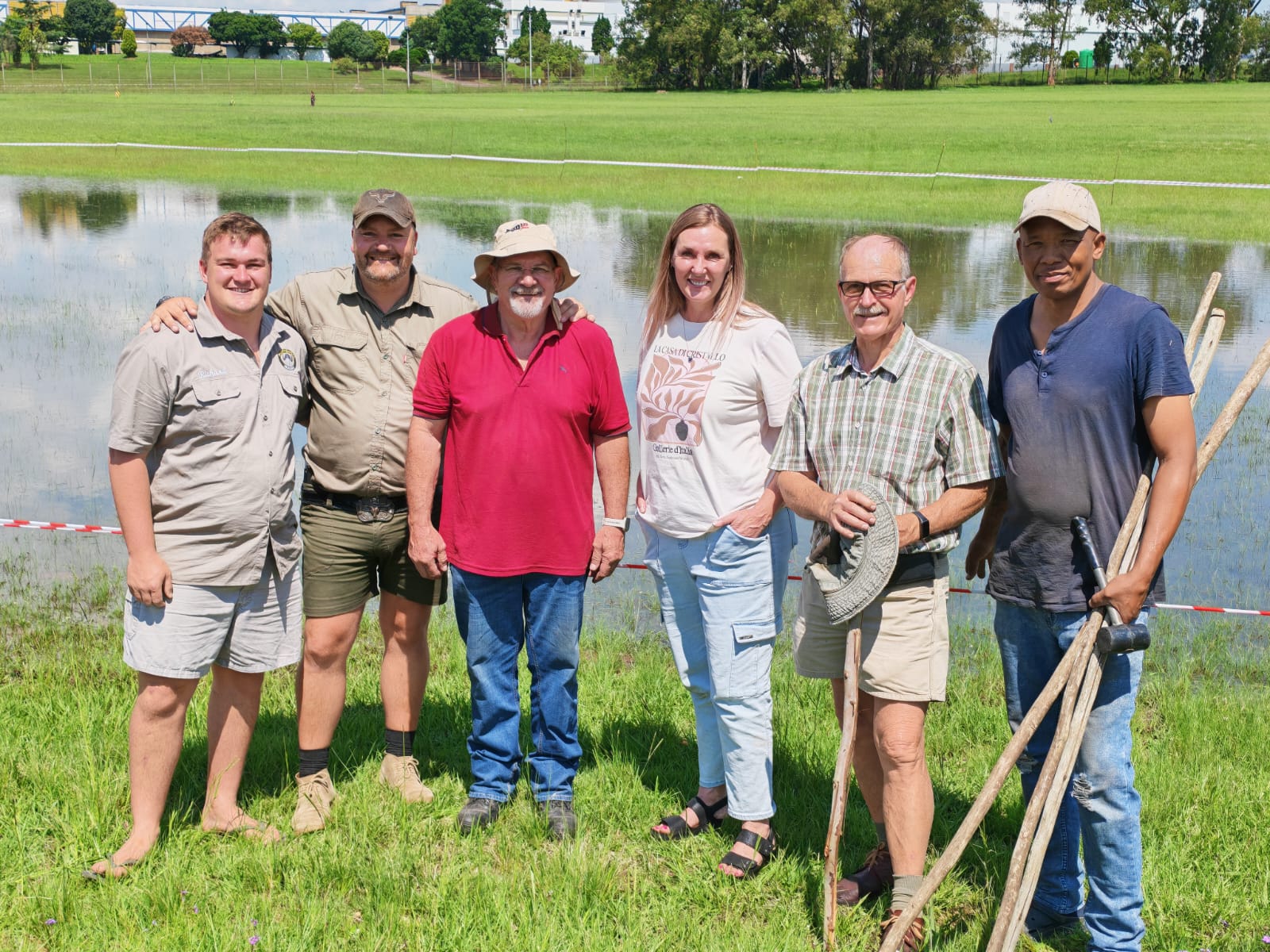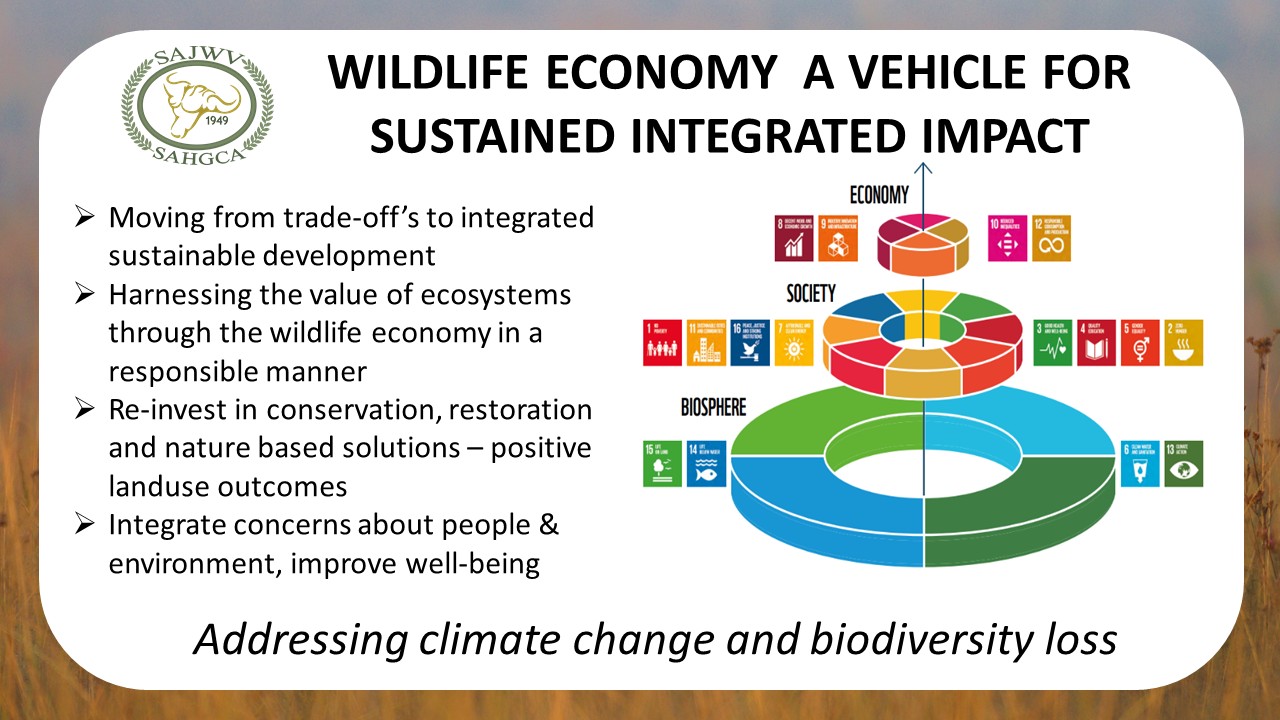


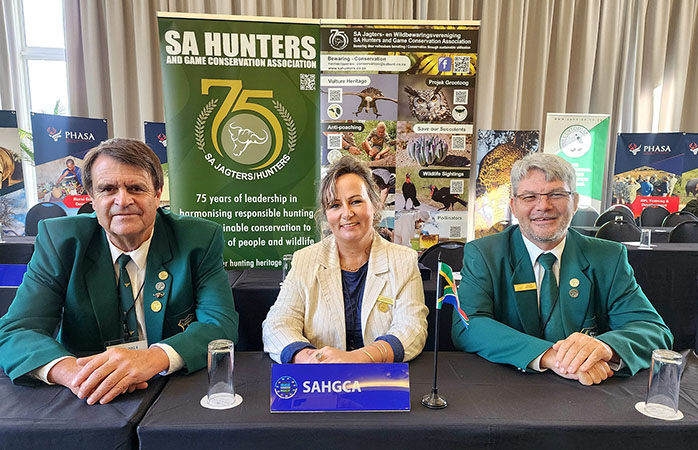
Shared opportunities and challenges related to hunting in Africa was discussed in this years African Wildlife Consultative Forum that was sponsored by Safari-Club Foundation. It was attended by the US Fish and Wildlife Services, scientists, governments, hunting associations and representatives of communities from across Africa. The president of SA Hunters and Game Conservation Association, Basie Bergh, the respective managers for conservation (Lizanne Nel) and hunting affairs (Boetie Kirchner), represented members and the interests of responsible hunters in the general, at AWCF. Amongst the issues that received particular attention, was the negative impacts of CITES and international trade regulations on the contribution that regulated sustainable hunting of elephant, lion and leopard as well as rhino horn trade, can play in securing wildlife habitats, management of wildlife populations and generating value for rural communities. It was emphasized that the conservation successes of southern African countries and the reliance of their rural communities on responsible hunting operations, should serve as a basis for a more assertive approach in decisions affecting their rights to generate value from wildlife.
Lizanne used data from questionnaires to hunting operators and communities in Botswana, Namibia, Tanzania, South Africa, Zambia and Zimbabwe, to provide insights on how responsible lion and leopard hunting not only contribute to conservation, but she demonstrated the immense impact that the full value chain is having on rural economies in Africa. Many of the services provided by hunting operators, would not be easily replaced by either government or other types of developments with the same environmental footprint. She concluded that it is becoming increasingly important to not only consider financial contributions of hunting in exploring its benefits, but a comprehensive approach where the conservation, social and full economic value of hunting is needed to demonstrate its true impact in societies and on nature.
With the increasing pressures on hunting, attention was also given to various strategies to improve the social acceptance of hunting. The session where people from different backgrounds explained their first introductions to hunting, proved to be very emotional. Specific suggestions were put forward to improve societies views and acceptance of hunting. These included the following pathways:
- Food and culinary pathway: Sustainable hunting plays a vital role in food security by providing natural, nutrient-rich game meat that supports communities and promotes resilience. This approach to hunting respects wildlife and empowers individuals – especially women – to connect with nature. By embracing sustainable hunting, we create a pathway to a future where nourishing communities and conserving wild spaces go hand in hand, fostering both resilience and shared prosperity. Investment is needed in the following areas:
- Food Ethics: Communicate food ethics clearly for safari hunters and explore models for indigenous participation.
- Nutrition & Health: Prioritise research partnerships to analyse the nutritional benefits of all species harvested, study health outcomes from hunting engagement, and assess impacts of elements such as lead in game meat.
- Culinary Quality & Adventurous Eating: Support hunting operations to enrich the culinary experience, with options for field dressing and processing involvement and cooking.
- Policy and Regulatory Support for the Game Meat Industry: Formalise and expand the game meat industry by improving product accessibility and creating an inclusive, growth-oriented value chain with job opportunities.
- Heritage pathway: We find ourselves in a point in time where the world is increasingly disconnected from nature and worse, being caught up in identity politics. With thousands of years of hunting/gathering, it is embedded in our genes, and we have an intricate spiritual connection with nature. We choose to identify as hunters that are responsible and passionate not only about our heritage, but also about leaving a positive legacy for future generations, protecting their rights of living in harmony with nature. Hunters should be respected for doing so, as they respect the choices of others in life.
- Education and advocacy pathway: First, there is a need for education and professional development around how to identify and combat misinformation and disinformation in the conservation and hunting space. We need to proactively counter mis- and disinformation by promoting an independent community and scientific voice in the hunting industry through in-person visits with decision-makers and influencers, tools on social media platforms to flag false or misleading posts, engagement with traditional media outlets to control the narrative around hunting. This should include investment in partnerships with academic institutions and public relations experts and firms, as well as dedicated staffing collaborations to serve as mis/disinformation sentinels and quick reaction forces.
Secondly, publications such as “How to Talk About Hunting” and the WildCRU produced YouTube videos should be packaged for easy consumption and translated into multiple African languages to assist communities with developing vocabularies and narratives favourable to sustainable use, conservation, hunting, and community empowerment. More investment is needed in these types of publications, to include an annotated and translated print version of “How To Talk About Hunting,” an “Audible” version, and short snippets for easy social media dissemination.
- Women pathway: Women hunt for various reasons, but at its core it is the reaffirmation of life and sharing experiences. Women, even those that do not hunt, understand the tissue-thin boundary between life and death and that we kill in order to live and that we live by virtue of the responsible utilisation of the resources provided to us. In doing this we ensure our families and communities and the future generations are secured with a healthy lifestyle, while playing an active role as stewards through managing and enhancing the vital resources. Women are often better communicators in conveying this message when engaging with loved ones, neighbours and non-hunting environmentalists. The hunting industry must therefore invest in women working in all facets of the sector and capitalise on their particular strengths as advocators, communicators and providers of healthy food for their families.
- Transformation: Greater inclusivity and participation are needed in the hunting sector. The full value-chain of hunting should be explored for opportunities and regulations and quota setting should consider implications for transformation. Post-settlement support to communities who acquired land for hunting should be prioritized. Pilot projects for communal land should be developed and diversification of business opportunities with appropriate funding models explored.