
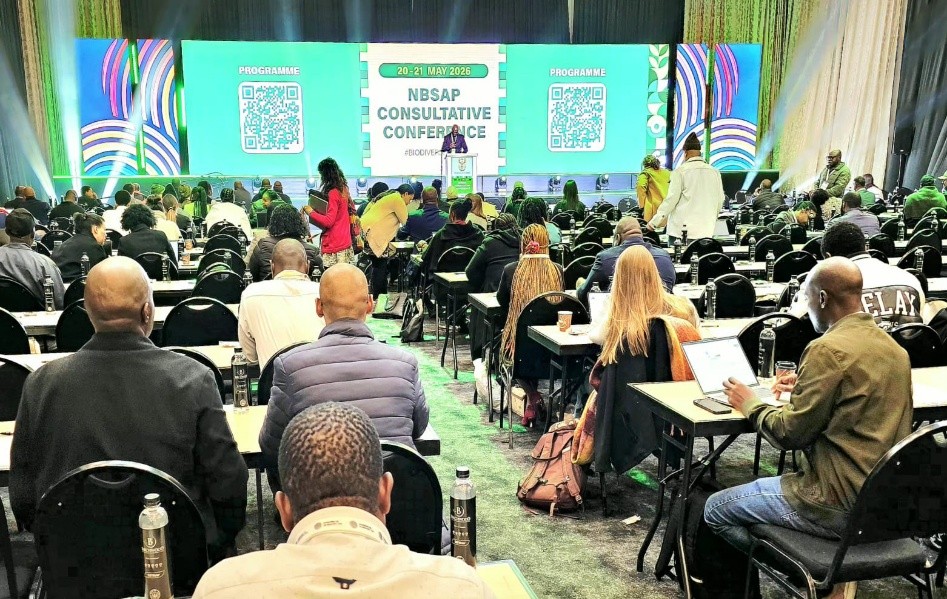
The Department of Forestry, Fisheries and the Environment (DFFE) is updating South Africa’s National Biodiversity Strategy and Action Plan (NBSAP). This document sets the path for conservation, land use, and wildlife management for the next decade.
Discussions included, among others:
- Restoring ecosystems
- Enhancing ecological infrastructure
- Balancing sustainable resource use
- Improving human-wildlife coexistence
- Sustainable financing
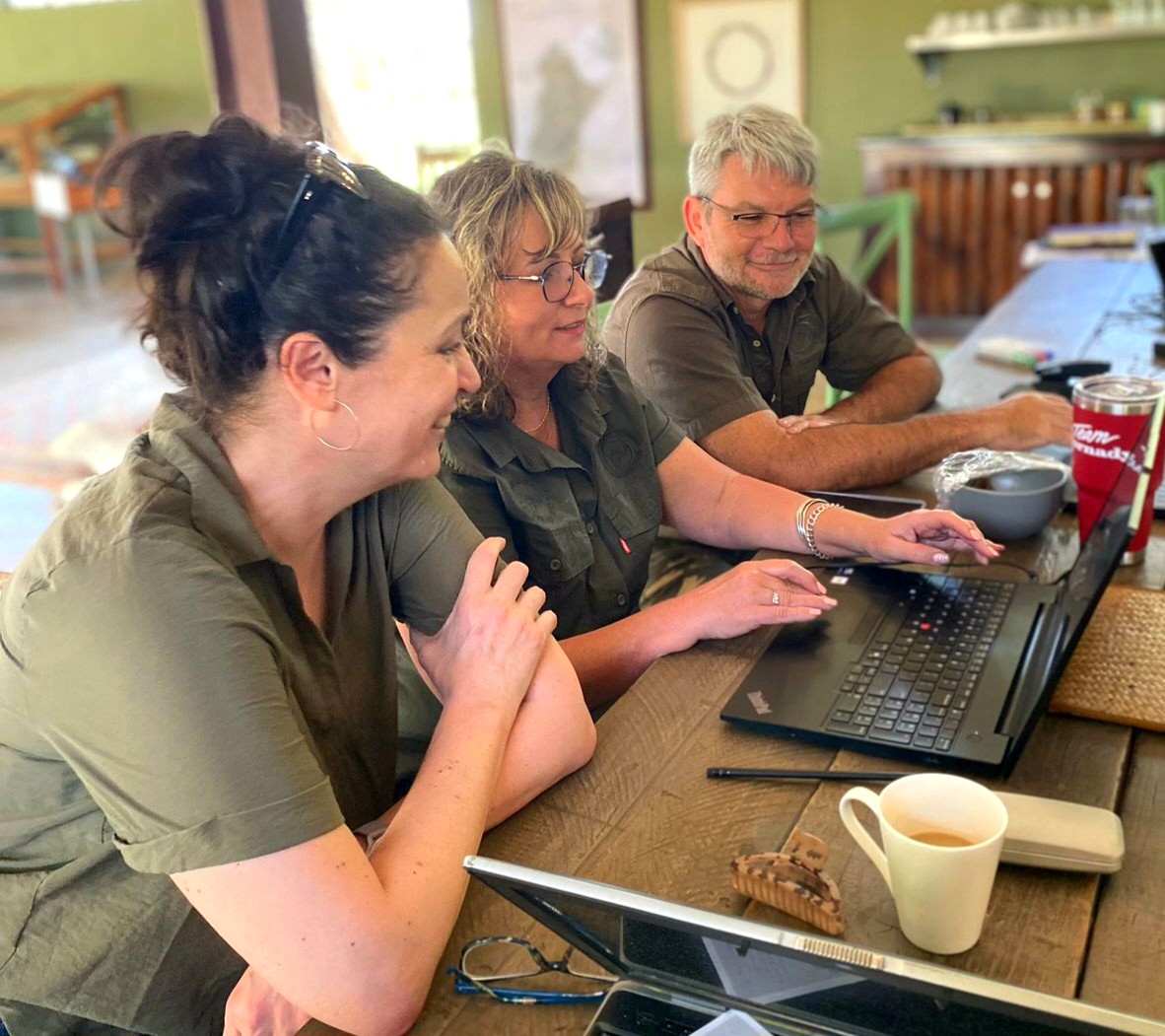
Our conservation manager, Lizanne Nel, actively participated in the mission to ensure the following aspects are embedded in the plan:
- meaningful biodiversity conservation approaches
- acknowledging the role of the private sector in biodiversity conservation, economic development and food security
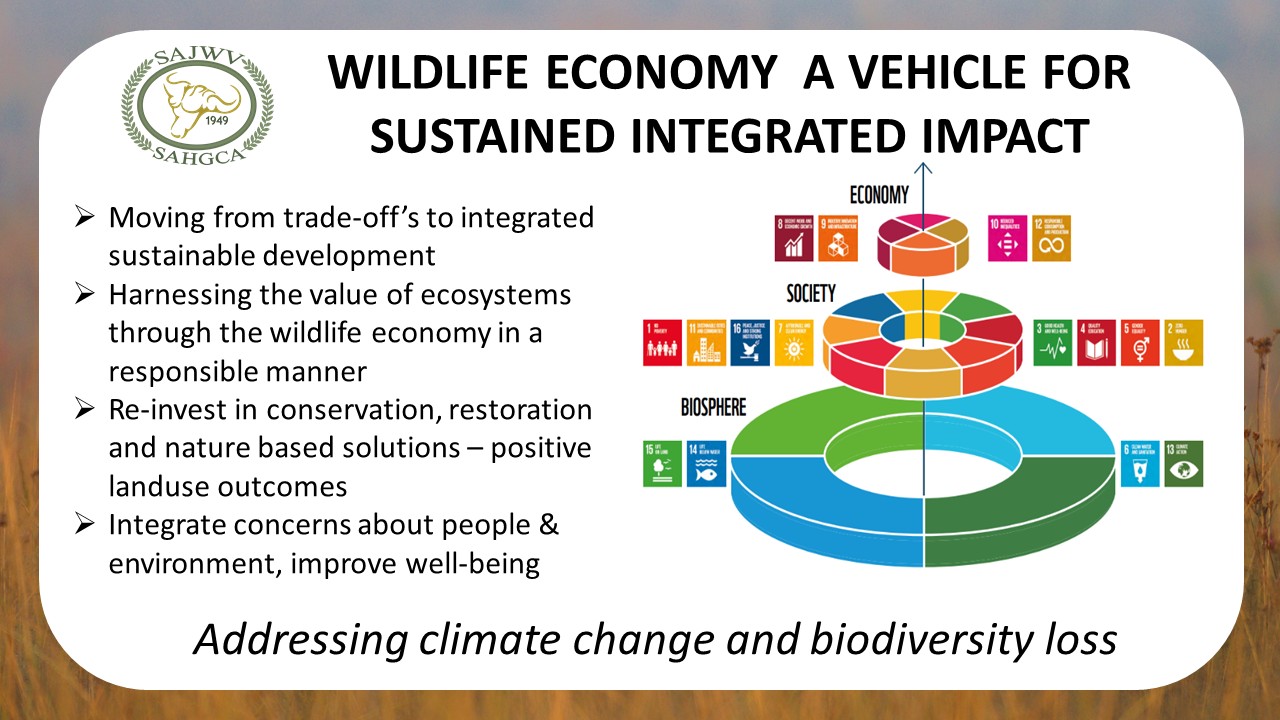
- acknowledging the role of the wildlife economy as a sustainable funding mechanism for conservation and achieving the objectives of the NBSAP, including climate change resilience
- securing the future of responsible hunting by ensuring that policy is driven by science and economic realities
The following important aspects were highlighted:
- The game meat revolution: The government wants to rapidly expand the game meat industry to create rural jobs and supply healthy protein. Current laws, specifically the Meat Safety Act (Act 40 of 2000) and its regulations, make it very difficult to legally process meat at regular butcheries and to sell meat harvested in the veld. We are actively working to move towards a meaningful legislative framework.
- Hunting and the wildlife economy provide sustainable conservation finance: the draft NBSAP relies heavily on international donors, state grants, and NGO funding. It largely ignores the multi-billion-rand value of the wildlife economy and hunting. Most biodiversity, however, occurs outside protected areas, where the wildlife sector and local communities serve as its custodians. These custodians use their own money to rehabilitate habitats, combat alien invasive species, control erosion, and conserve species, as demonstrated by the Sustainable Wildlife Economy Project. Regulated hunting contributes R44 billion to the economy annually, mostly driven by local citizen hunters who pay to hunt for free-range protein on these wildlife areas, serving as a sustainable funding source for them. The message that legal, regulated, sustainable use activities, such as hunting, are actively funding South Africa’s biodiversity goals, was clearly communicated by SA Hunters for inclusion in the NBSAP.
- Ecosystem conservation and climate resilience: The global target is for all countries to protect 30% of their land by 2030 (the “30 by 30” target). Private game ranches and hunting areas keep huge landscapes wild and unfragmented, which traps carbon, protects water catchments and secures wildlife habitats. We are pushing for the recognition of these areas, where members want to participate voluntarily, as OECMs (Other Effective Area-Based Conservation Measures). This officially gives credit for members’ contributions to climate and ecosystems.