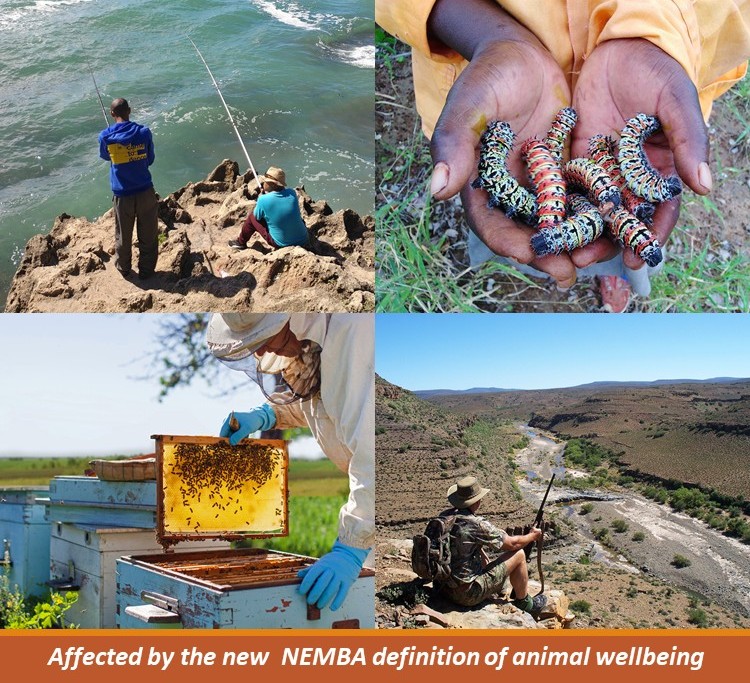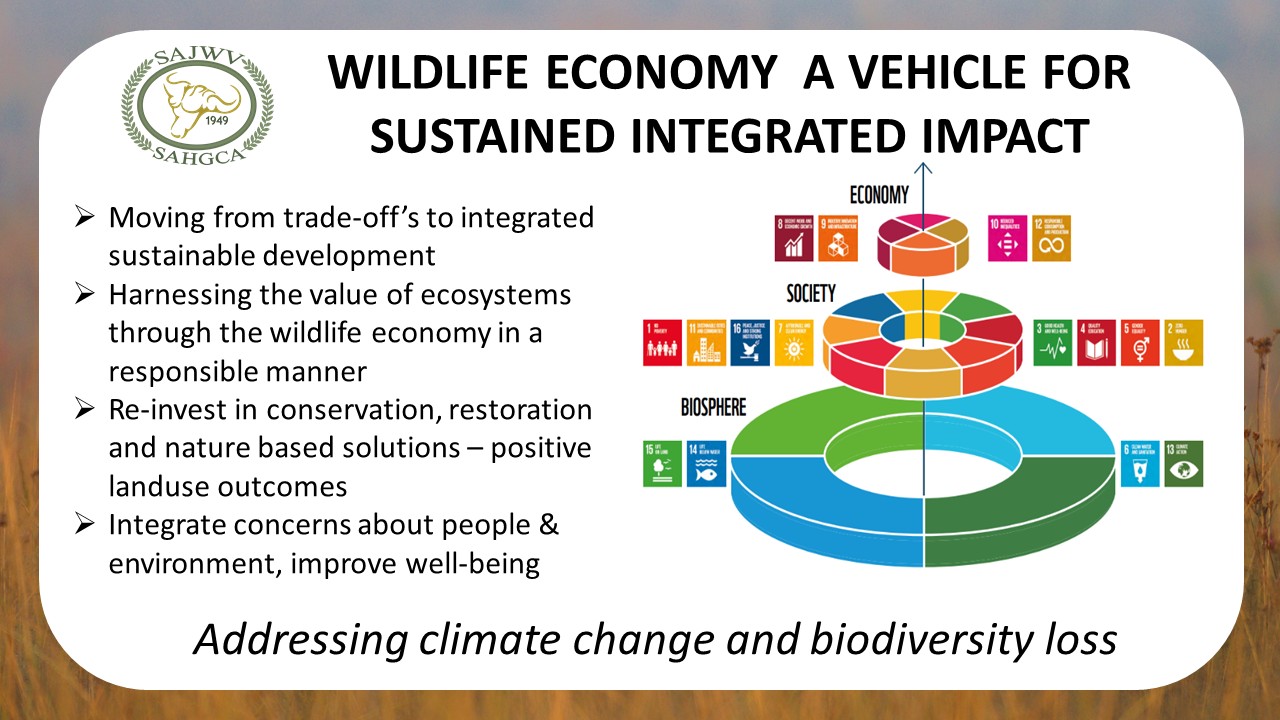


Responsible hunting adds value to wildlife, generates sustainable finance to secure wildlife habitats and species, contributes to food security through free-range protein and benefits the economy, especially in rural, underdeveloped areas. Where hunting bans are in effect, such as in Kenia, figures published by various scientific sources have shown a reduction of between 60% and 70% in the big-game populations, with the situation in West Africa being worse.
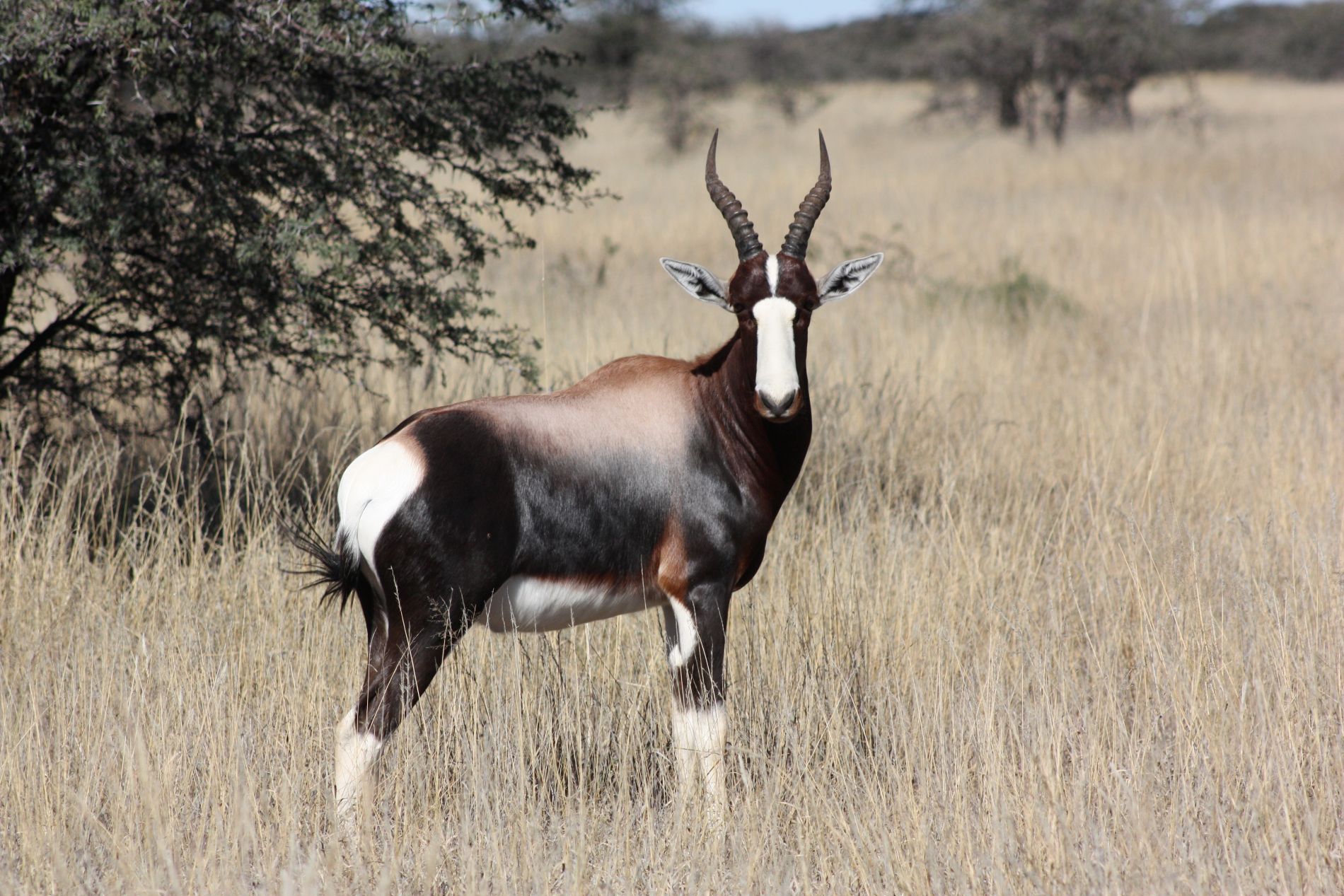
Approximately 50% of the money that hunters spend on a hunt goes directly to game ranches, open farms and private protected areas that form part of South Africa’s wildlife estate, providing sustainable financing in support of habitat and species conservation. This wildlife estate managed by the private sector covers approximately 20 million ha (14% of the national estate). This is more than double the area of formal terrestrial protected areas managed by the State, with many more heads of game that significantly contribute to South Africa’s species conservation targets, e.g. for Bontebok, Rhino, and Mountain zebra.
The private sector and hunters contribute significantly to the country’s total ecosystem services valued at R7,002 billion in 2019, and to the bio-economy, which sustains 1,5 million jobs and contributes 8,3% to GDP annually. The hunting sector is a major driver in the bio-economy. On an annual basis, local hunters spend R12.6 billion, international hunters spend R2.9 billion, and together, contribute R44.7 billion to the economy, generating approximately 95,000 jobs.
A new Nature Sustainability Study echoes the positive contributions of responsible hunting and confirms that well-regulated, responsible, and science-based hunting is a key part of successful wildlife management. The research shows that:
- Mammal species that are hunted responsibly tend to have stable or increasing populations globally and are less often threatened than non-hunted species
- Species hunted for food show no increased risk of decline or threat
- Responsible hunting contributes to better conservation and sustainable wildlife management.
Read the full article here