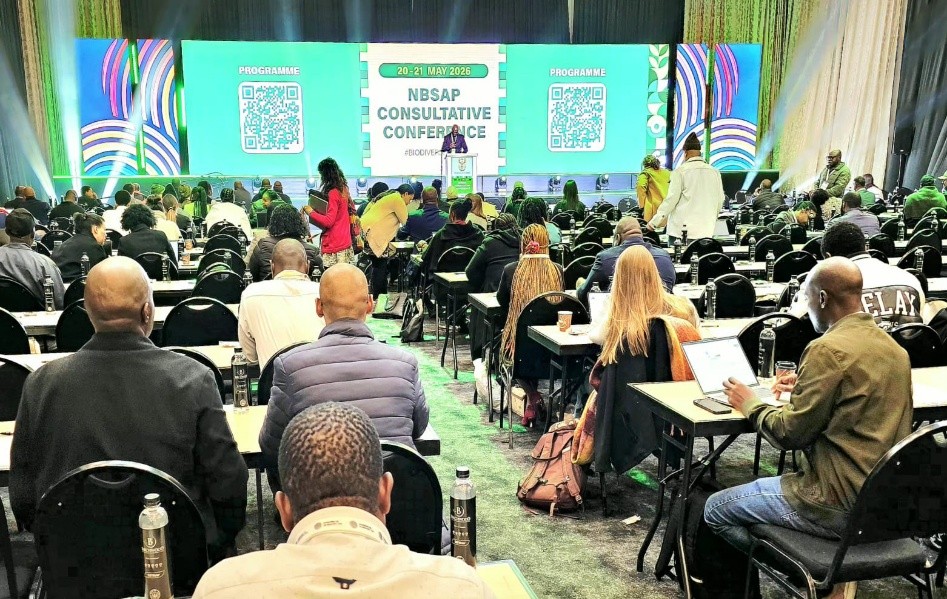


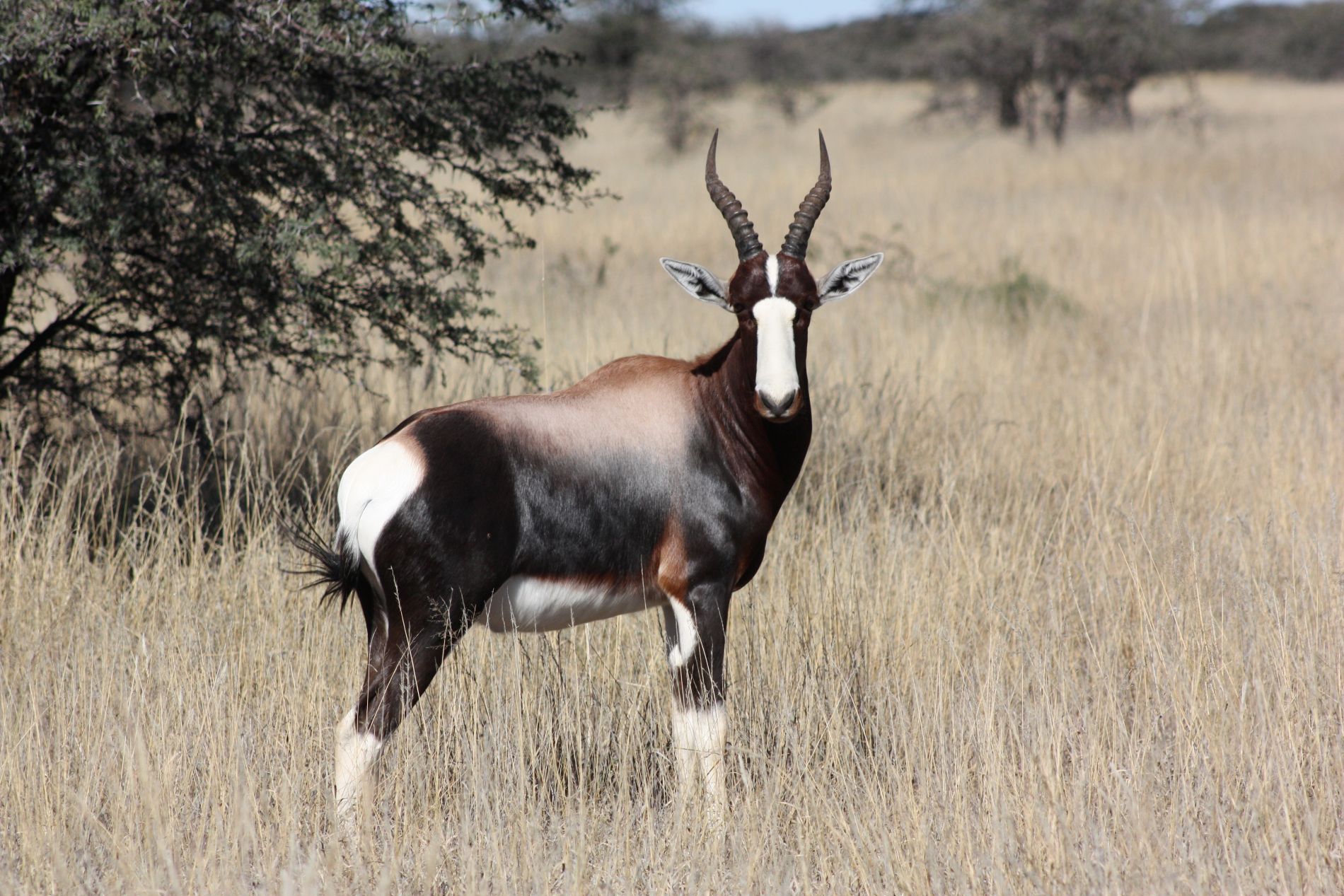
SA Hunters participated in the public consultation process in preparation for CITES COP20 to represent members’ interests and promote sound conservation practices. South Africa’s adopted proposals include the removal of the bontebok (Damaliscus pygargus pygargus) from Appendix II and the transfer of two succulent species – Avonia quinaria and Euphorbia bupleurifolia – from Appendix II to Appendix I due to pressure from illegal international trade.
The adoption of the Bontebok proposal demonstrates that collaborative conservation efforts among wildlife ranchers, hunters and government can improve conservation outcomes for indigenous species.
Bontebok is endemic and occur naturally in the fynbos biome, where suitable habitat limits population growth. With the expansion of its range, 75% of animals now occur outside their natural range. This conservation success is a result of wildlife ranchers’ dedication to effective management of habitat and species, and responsible and sustainable hunting adding value to species while funding conservation efforts. The government provides the enabling legal framework for the private sector to conserve, using the income generated from sustainable utilisation.
Broader proposals from the Southern African region to reopen international commercial trade in rhinoceros’ horn (proposed by Namibia) and elephant ivory (proposed by Namibia for registered stocks) were rejected. South Africa did not submit a trade proposal. Despite a positive conservation status for giraffe, proposals to further allow or facilitate international trade in giraffe products were also unsuccessful. New directives were adopted for species facing intense pressure from wildlife crime, including cheetahs.