Responsible hunting is a vital component of South Africa’s biodiversity economy. It generates sustainable funding for wildlife conservation, supports rural livelihoods and contributes to food security. Scientific evidence shows that hunting supports wildlife populations and protects habitats while sustaining millions of hectares of privately managed land that play a key role in protecting species and ecosystems. Responsible hunting supports conservation goals, strengthens the bio-economy and delivers meaningful economic and social benefits
Convention on International Trade in Endangered Species
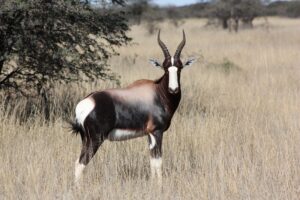
South Africa’s submissions on plant and animal species to CITES COP20 yielded mixed results. The good news is that the bontebok was removed from Appendix II and two succulent species were moved from Appendix II to Appendix I, while the giraffe’s status remained unchanged. The conservation success for bontebok is a result of collaboration within the broader wildlife and hunting sector, as well as government, which provides the policy framework for conservation.
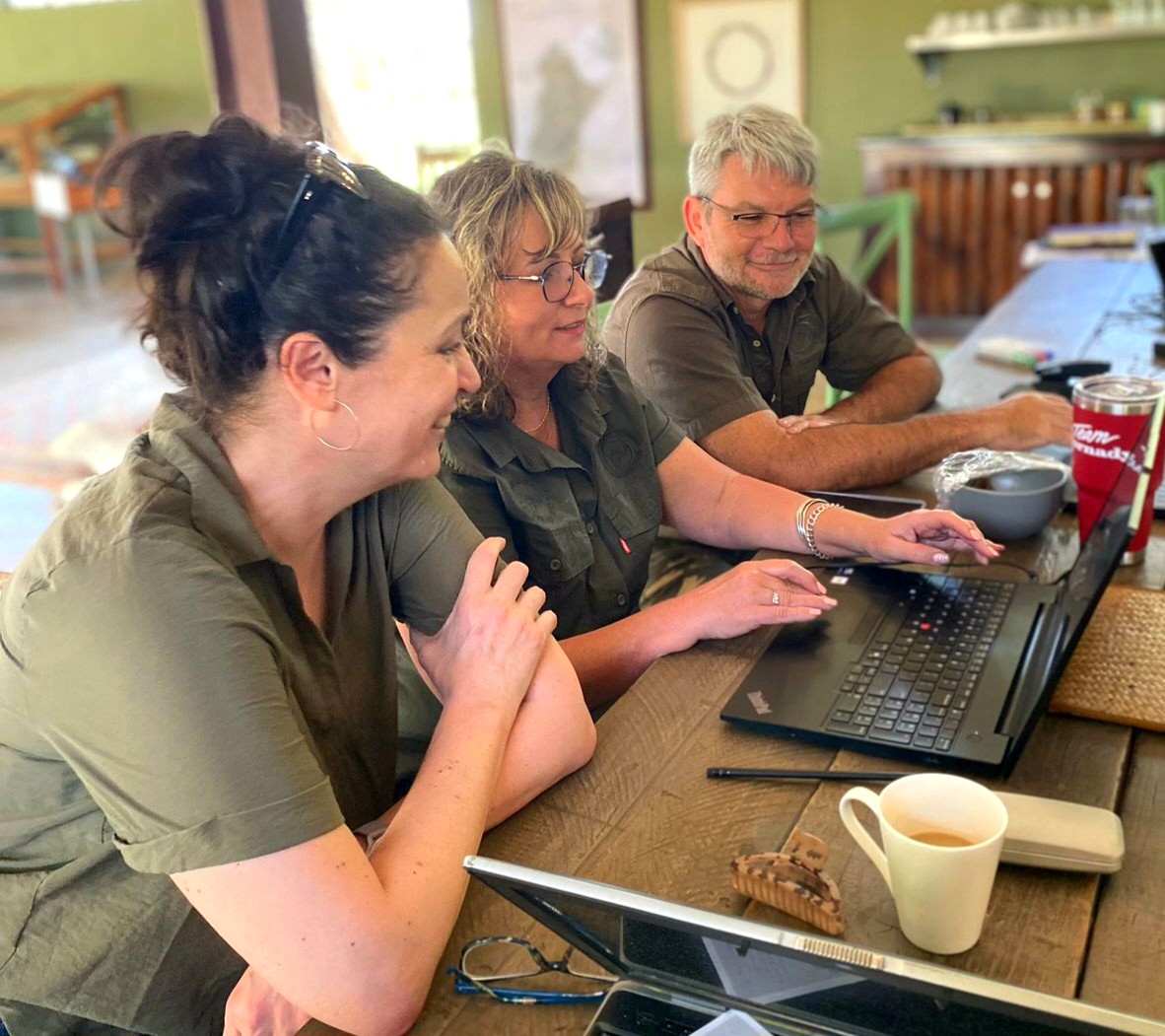
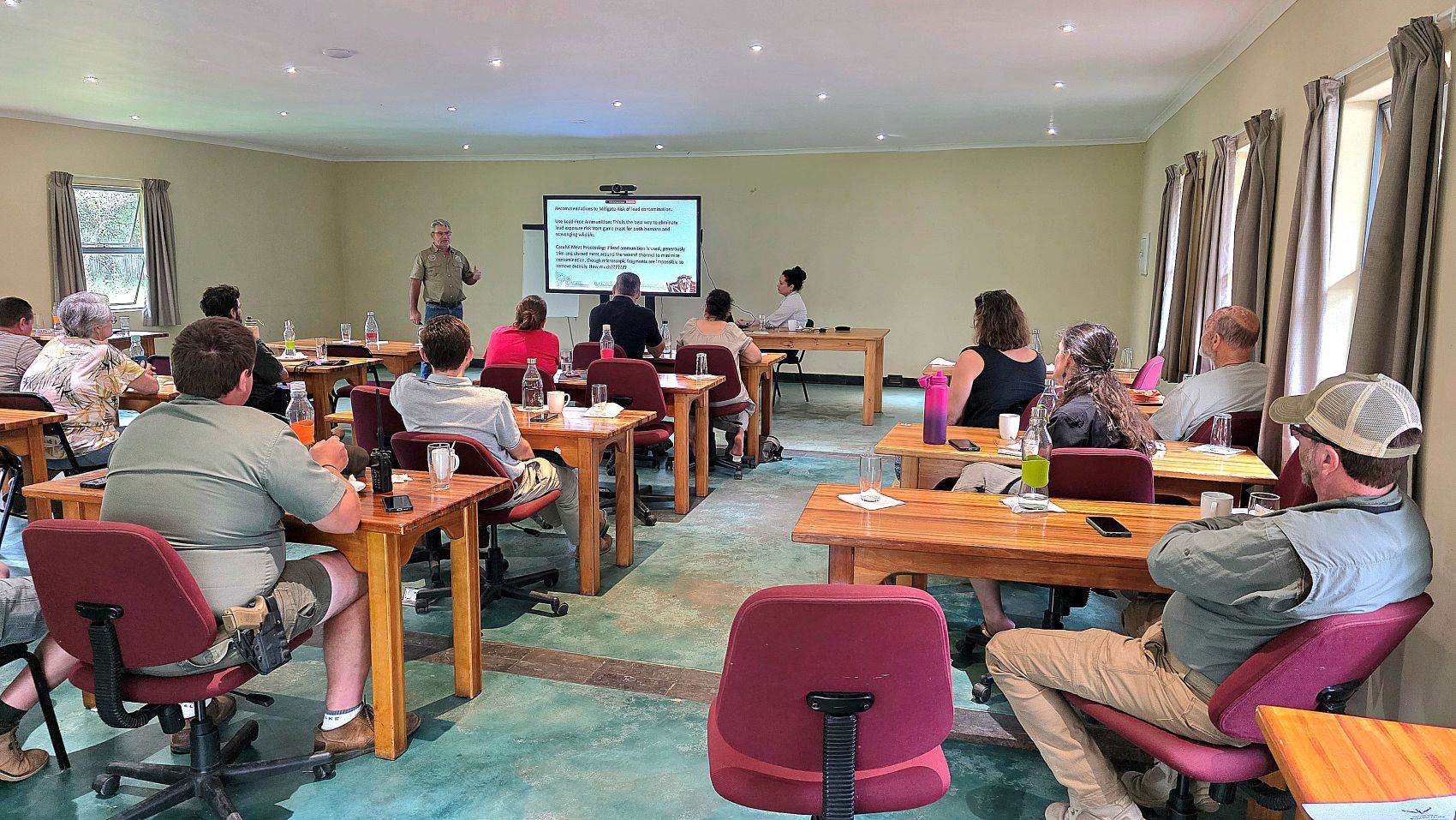
As part of the National Lead Task Team, SA Hunters managers worked shoulder to shoulder with other conservation agencies, government and medical experts to develop a public website that provides scientific facts about the impacts of lead on humans and nature in December. Part of the work programme included a discussion session among hunters, farmers, guides and wildlife managers in the Lowveld on responsible carcass management when using lead-based ammunition, and the benefits of switching to lead-free bullets.
Wildlife sector in conversation with President Cyril Ramaphosa
SA Hunters shares key challenges and priorities of the wildlife sector with President Ramaphosa at a multisectoral consultation in the North West Province, highlighting aspects related to policies, economic contributions, trade and governance, as well as the importance of meaningful public participation in shaping legislation affecting conservation and sustainable use.
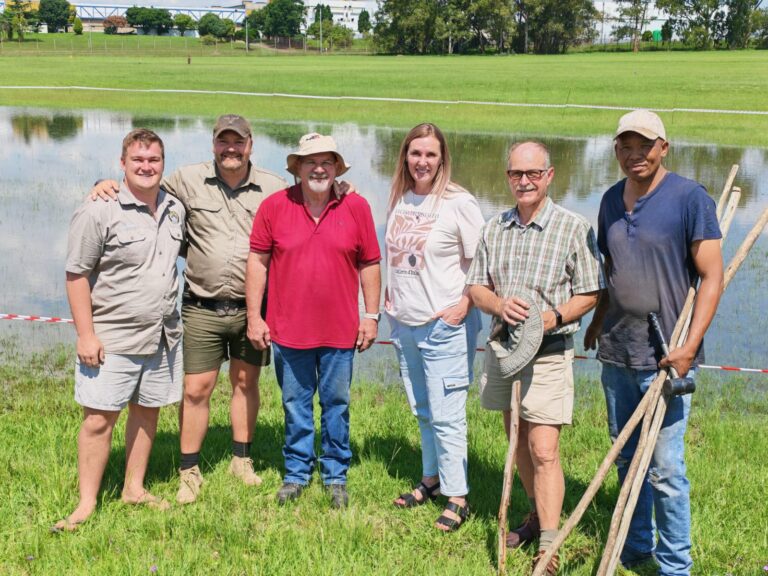
The conservation status of the African bullfrog (Pyxicephalus adspersus) is Least Concern, indicating it is not threatened. However, wetlands and the species that occur within them are among the most threatened habitat types. Therefore, it is important that we conserve these sensitive systems and their species. With the heavy rainfall, bullfrogs have once again made their appearance in the Heidelberg area. In the past, breeding frogs were frequently disturbed. Members of the Heidelberg branch were very busy protecting the frogs in December 2025 to ensure that the next generation of bullfrogs was not disturbed or removed by collectors.
Several branches were involved in relocating swarms of bees that had established themselves on building roofs, making people uncomfortable. The swarms were transferred to new beehives using environmentally friendly methods and relocated to safe habitats. The hives are continuously monitored.
Eastern Cape Sustainability Forum
We participated in the Eastern Cape Sustainability Forum, where we presented on the role that the wildlife sector plays in addressing biodiversity loss and climate change adaptation.
Lizanne, the Conservation Manager, demonstrated to the audience how the money generated from the responsible use of wildlife is reinvested in conservation and restoration, providing sustainable funding towards a more resilient future for people and wildlife.
Judging by the audience’s feedback, it was clear that they support the important role that the private sector, wildlife ranchers and hunters play in conservation. However, more work is needed to advocate for this
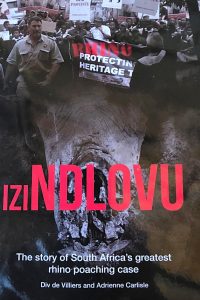
iziNdlovu – A special offer to members
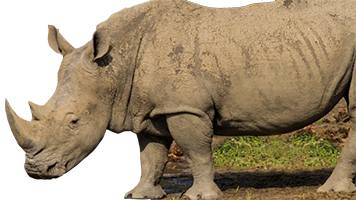
The newly released book iziNdlovu by conservationist Dr Div de Villiers and legal journalist Adrienne Carlisle captures the epic story of the infamous Ndlovu rhino poachers and the team that took them down. It is a non-fiction work that exposes the brutality of rhino poaching and how poachers use various methods, including rifles and the tranquilliser M99, often hacking the horn from rhinos that are still alive. The successful investigation, arrests, prosecution, and judgment of the “Ndlovu gang” are discussed in detail.
Our conservation manager, Lizanne Nel, attended the book launch, and Dr de Villiers agreed to make the book available to members at R200 plus postage (R60 with PEP and R110 with Postnet). Members can contact Dr De Villiers directly at div.devilliers1@outlook.com or 082-417-0155 and provide their SA Hunters membership number to qualify for the discount.
Download the SA Hunters App
Download the SA Hunters App
Send us comments, questions or suggestions for the monthly newsletter