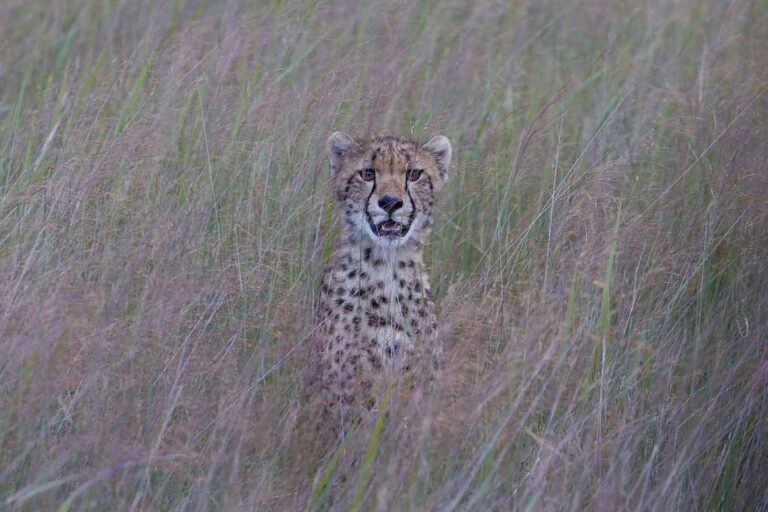
The Cheetah census by Ashia Cheetah Conservation, the Cheetah Outreach Trust, and the University of Groningen revealed that South Africa’s free-roaming cheetah numbers is 70% lower than previous estimates. Only 83 mature adults and 36 cubs were found outside protected areas despite the survey running over four years. The study suggests that the species should be reclassified from Vulnerable to Endangered. Further problems include genetic isolation, misconceptions about livestock attacks, and weak law enforcement, all of which require urgent, coordinated conservation efforts. SA Hunters and Game Conservation Association was an operational partner for the study in facilitating landowner access for research. Read more on the study’s findings here.
Tafelberg Branch hosts training on snare removal
The Tafelberg Branch of SA Hunters recently hosted a workshop in the Paarl Mountain Nature Reserve to raise awareness among learners from Desmond Tutu Secondary School and the Mbeko Eco Club about the importance of removing snares used in illegal hunting.
Dr Katy Williams, Research and Conservation Director at the Cape Leopard Trust, and Lindsay Lewis, Conservation Officer for the Drakenstein Municipality, discussed extensive research on the use of snares in illegal hunting and provided practical training on detecting and safely removing snares.
The learners and members of the Table Mountain Branch participated in the workshop with great enthusiasm. The learners also received valuable educational materials that they can use in their schools.
The workshop, which was partially sponsored by the Rotary Club of Paarl, served as an excellent example of cooperation among different organisations sharing a common goal: bringing the message of nature conservation to local communities.
Media Release - Wellbeing
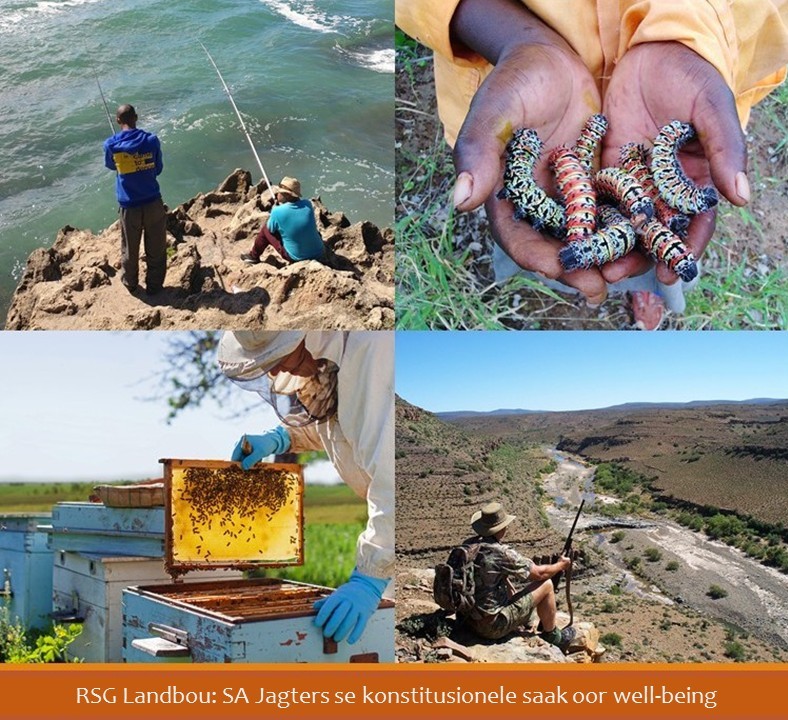
The South African Hunters and Game Conservation Association (SA Hunters) has asked the Constitutional Court to strike a controversial definition of “animal well-being” from the National Environmental Management: Biodiversity Act (NEMBA). The association argues that the definition, which requires consideration of the physical, physiological and mental health, as well as the quality of life, of individual animals, is vague, subjective and operationally unworkable. According to SA Hunters, the amendment was introduced without proper consultation with the wildlife, agriculture, fisheries and conservation sectors, and could have far-reaching legal and practical consequences for the sustainable management and use of natural resources in South Africa.
Your Voice Matters: Shaping the North West Biodiversity Bill
Our conservation and hunting affairs team is actively engaging with the North West Draft Biodiversity Bill to protect your rights as responsible hunters. By submitting formal, practical feedback, SA Hunters strives to ensure that new provincial legislation provides an enabling legal framework for meaningful conservation and responsible use rather than burdening us with impractical provisions and red tape. Our inputs directly target benefits to extensive wildlife areas, simplify permit processes, secure fair wildlife management regulations, and promote responsible wildlife utilisation. This vital advocacy safeguards our hunting and conservation heritage and guarantees that your voice directly shapes the future of conservation laws in the North West Province.
Download the SA Hunters App
Download the SA Hunters app
Send us comments, questions or suggestions for the monthly newsletter