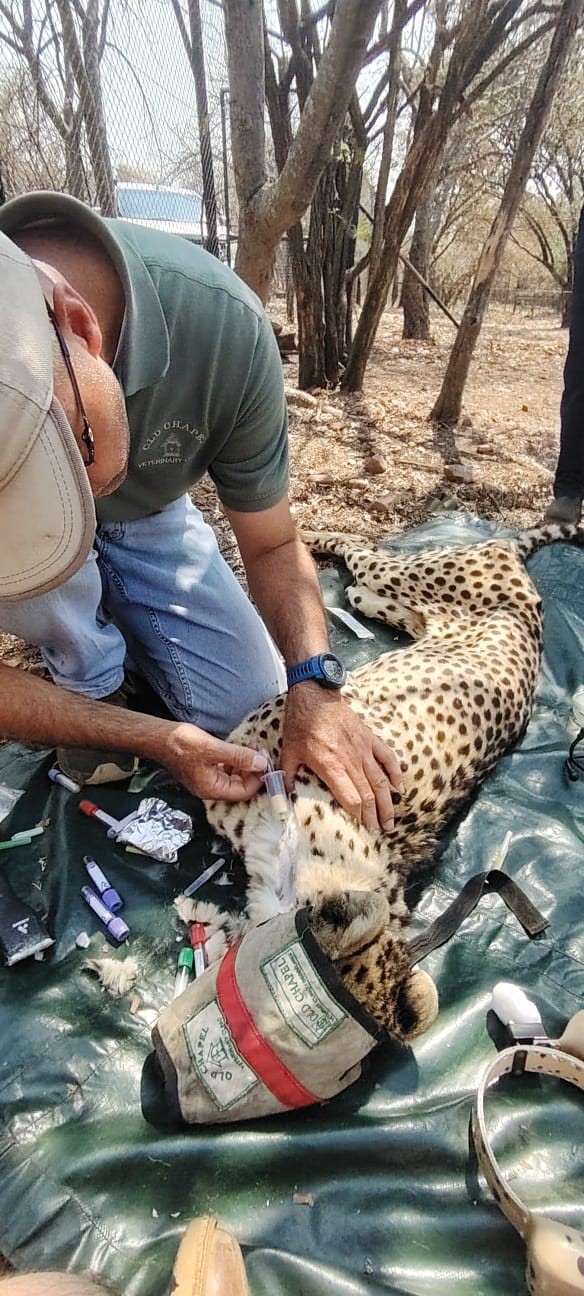
Dr. Caldwell anesthetizes the female cheetah for examination
Although members care for wildlife, increasing competition between people and wildlife in the landscape results in situations of human-wildlife conflict that have recently escalated. This has significant impacts and financial losses to members and communities in various areas of South Africa. These challenges have been discussed at the Predation Management SA meeting to find meaningful and environmentally friendly solutions for predation management. The establishment of local predation and wildlife management forums is one strategy to improve collaboration among stakeholders towards finding solutions. In the Namaqualand region, we collaborated with various role-players to capture and translocate five cheetah to reduce the impact on people’s livelihoods and contribute to the species’ conservation. For more information, click here. Information from the national survey on cheetahs in which members participate, click here.
Laai die SA Jagters App af
Laai die SA Jagters App af
Export quotas for elephant, rhino and leopard
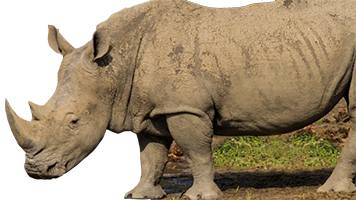
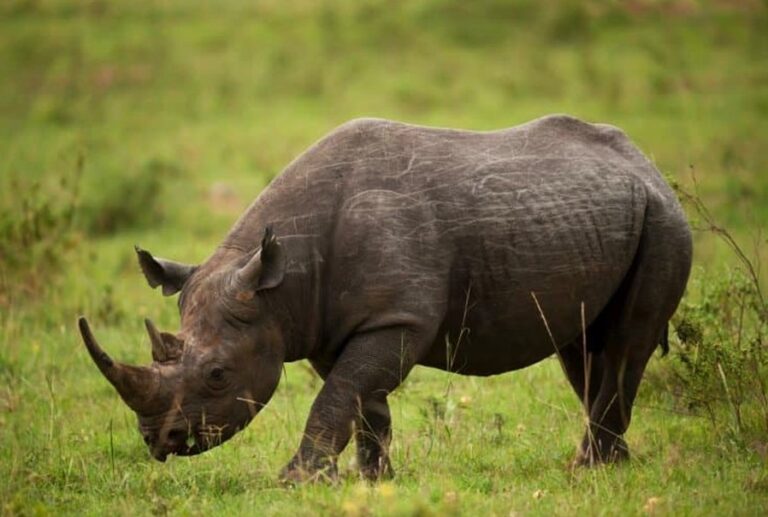
The Minister of Forestry, Fisheries and the Environment, Dr Dion George, has decided not to set the 2024-2025 Convention on International Trade in Endangered Species of Wild Fauna and Flora (CITES) export quotas for African elephant, Black rhinoceros and Leopard hunting trophies at this stage. This follows an ongoing legal case brought by Wildlife Ranching South Africa (WRSA), currently before the Gauteng High Court, which challenges aspects of the quota-setting process. The minister published his intentions for a zero quota for lion bone exports from captive lion breeding facilities and invited public input on this.
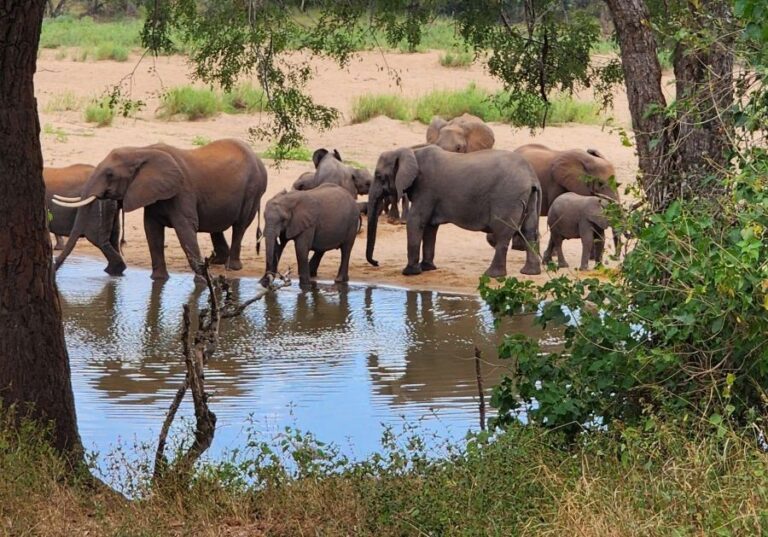
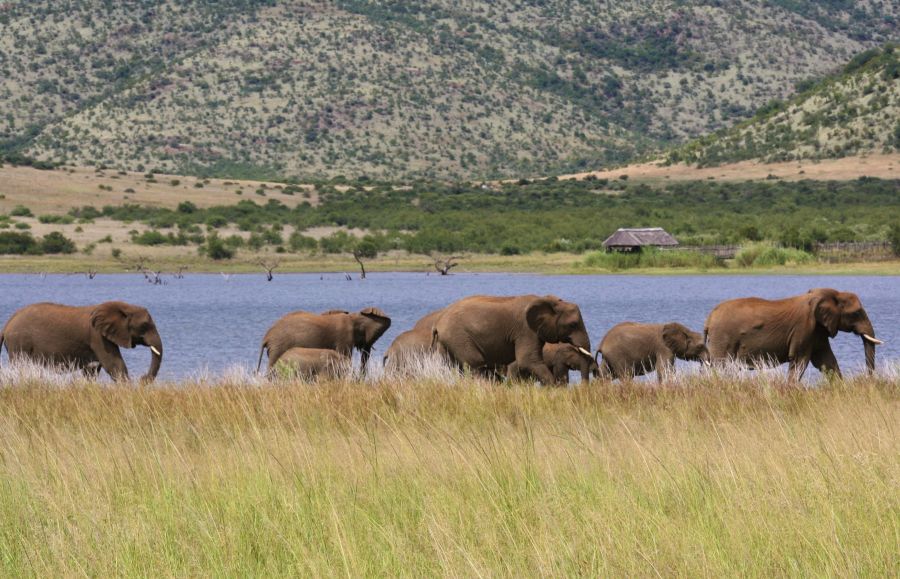
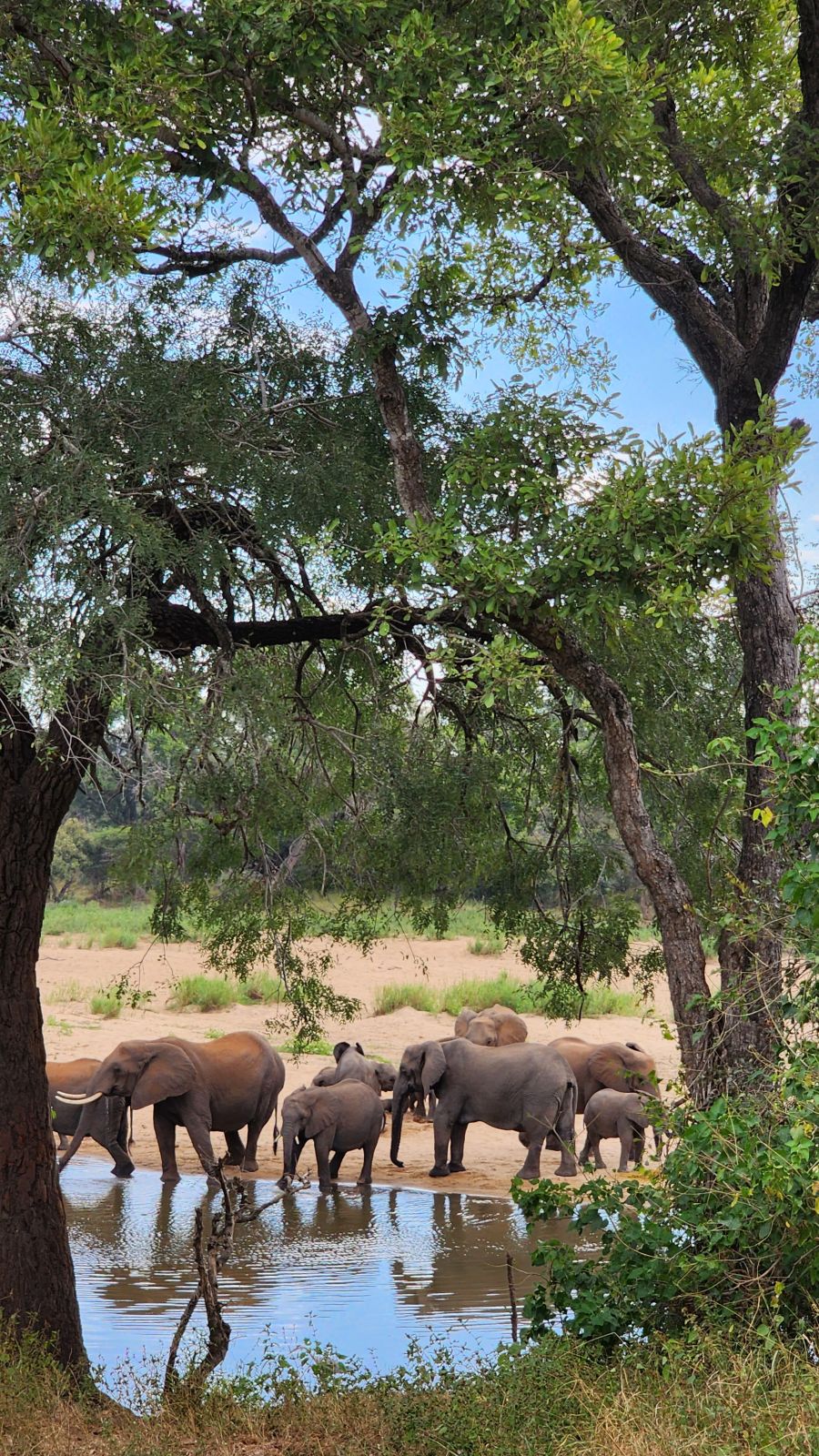
Great effort has gone into various processes related to elephant conservation and management during the last couple of months. These included inputs towards the development of the National Elephant Heritage Strategy, the National Elephant Indaba and comments on the management of elephants in Madikwe and Mapungubwe.
We promoted an ecosystem approach to elephant conservation and management that goes beyond just counting elephant numbers. It also considers habitat use and the impact of elephants. Key factors such as climate, veld condition, plant and herbivore biomass, and threatened species must also be monitored. These aspects should guide decision-making.
Landowners who manage elephant habitat and populations should be given greater autonomy. It was recommended that the existing Elephant Norms and Standards, which impede adaptive management should be change. Voices of communities that bear the brunt of living with elephants should also receive greater attention. Although the outcomes of the various consultation processes have not been published yet, the initial report, which summarised recommendations from the Elephant Indaba, captured our inputs and provision was made for control measures such as culling and hunting.
International Union for the Conservation of Nature
SA Hunters is a member of the National Steering Committee for the International Union for the Conservation of Nature (IUCN), where we engage with other reputable conservation organisations to discuss the following six thematic areas:
Protected area expansion
Responsible resource management
Threatened and protected species
Biodiversity economy
Education for sustainable development
Sustainable finance
At the end of August, the work done by IUCN members was discussed with the new minister for DFFE, Minister Dion George. He was informed that the work of the IUCN is closely aligned with the goals of the Global Biodiversity Framework (GBF) and South Africa’s National Biodiversity Strategy and Action Plan (NBSAP) targets. The IUCN committee requested closer collaboration and a strengthened partnership between the IUCN National Committee and its members and DFFE. There is also a great opportunity for collaboration between SA members of the IUCN. The international IUCN Congress will be held in Abu Dhabi from 9 – 15 October 2025.
Send us comments, questions or suggestions for the monthly newsletter