SAHGCA supports CITES quotas for export of hunting trophies
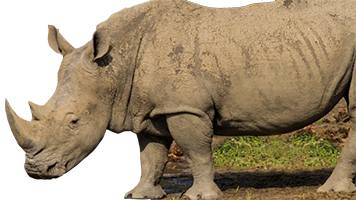
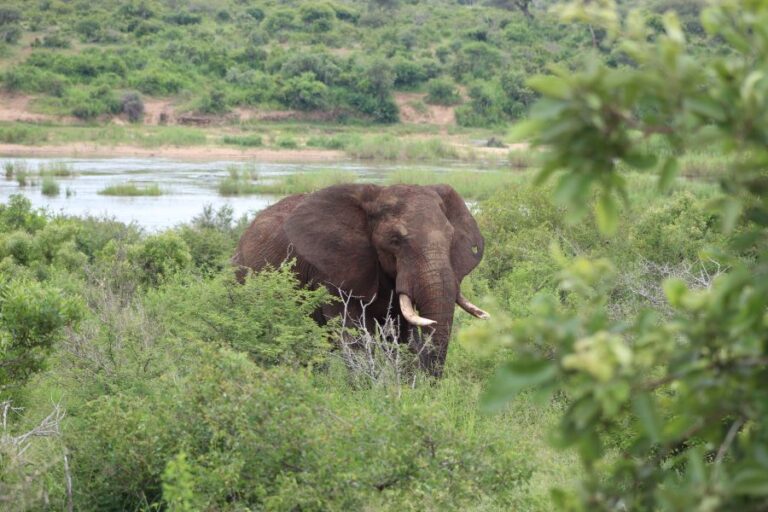
SA Hunters commented on the allocation of the 2026 and 2027 CITES export quotas for 300 tusks from up to 150 elephants, 12 black rhinoceros hunting trophies, and 11 leopard hunting trophies, as published for comment in February, by DFFE. The public notice did not provide details on how the quotas have been determined. Therefore, we scrutinised available data, scientific publications and information from CITES processes on the three species and reached the conclusion that the proposed CITES quotas for the three species can be supported. The full report is available here.
Download the SA Hunters App
Drafting of wellbeing regulations premature
DFFE started a process to develop wellbeing regulation in terms of NEMBA. SA Hunters, together with various other role players, were invited to make submissions to DFFE in this regard. Because the significant impacts of inclusion of a definition of animal wellbeing that requires the consideration of an animal’s mental health, were not considered as part of the NEMBA review process, SA Hunters took the matter to the Constitutional Court. As of early 2026, a final ruling on the merits of the legal challenge to the process has not yet been delivered. As a result, SA Hunters’ position is that developing wellbeing regulations at this point is premature and not meaningful.
Despite this position, SA Hunters provided principal comments on the development of wellbeing regulations, in addition to those made during a meeting with DFFE on 26 February 2026. If these technical practicalities are ignored, it provides SA Hunters with further grounds to challenge the regulations themselves as “irrational” or “arbitrary” in future litigation. The full submission is available here.
Download the SA Hunters App
Norms and Standards to be developed for private land contributing to conservation
Members of SA Hunters who own or manage land that promotes conservation are affected by the development of norms and standards for geographically defined areas that deliver effective, long-term contributions to conservation without being formally declared as protected areas or reserves. These areas are known as Other Effective Area-based Conservation Measures (OECMs).
SA Hunters submitted comments on the process by which DFFE, under NEMBA, aims to recognise the long-term conservation efforts of communities and private landowners without requiring the land to be converted into a formal reserve or managed primarily for conservation. Well-managed grazing lands, conservancies, game farms, water catchment areas, and many other landscapes can qualify. This process helps countries achieve the global 30×30 target of conserving 30% of the earth’s land and sea by 2030.
To qualify, areas must be clearly geographically defined; not formally declared as a reserve or park; and managed with the intent to ensure sustained conservation outcomes through responsible management practices. SA Hunters further proposed that areas that are registered, should trigger an environmental impact assessment if mining activities are planned for the area. While this would not necessarily prevent development, it would ensure that the area’s conservation value is properly considered in development decisions.
Information day on shared interests between farmers and hunters
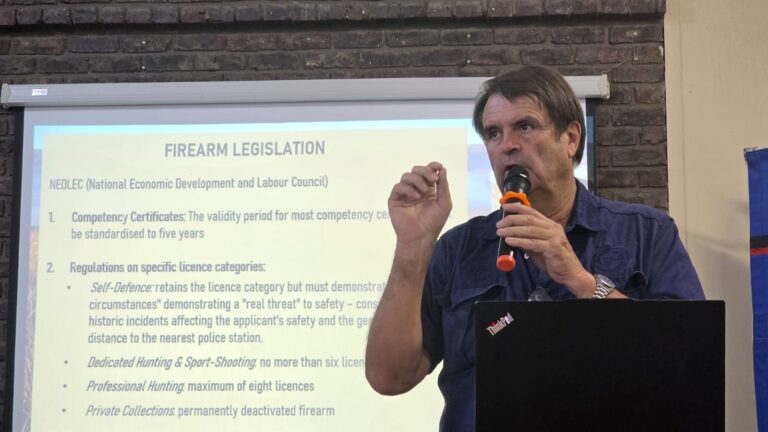
Farmers and hunters’ shared interests in firearm ownership, shooting skills, conservation and hunting were recently under the spotlight at a joint information day near Grootvlei. Three branches of SA Hunters (Duiker, Heidelberg and Suikerbosrand) and three farmers’ associations (Bloekomspruit, Suikerbos and Grootvlei) hosted an information day on 18 March. SA Hunters CEO Basie Bergh informed guests about the latest developments in firearms legislation. The association’s deputy president, Glen Matthews, spoke about shooting matters and the services provided by the firearms licence helpline. Lizanne Nel, conservation manager, gave a presentation on hunting-related matters and conservation. Lively discussions followed around the braai fires and everyone agreed that greater liaison between farmers’ associations and SA Hunters branches should definitely be built on to promote shared interests.
Branches and Conservation:
Bosbok
Lizanne Nel, Conservation Manager, recently visited the Bosbok branch to share the latest research on the impact of lead and lead ammunition on people and wildlife. The causes and effects of high blood lead levels in children and adults were discussed, along with ways to reduce risks of human exposure. Research by Dr Xander Combrink about the impact of lead sinkers on crocodiles, was discussed. Members were also informed about the dangers posed by lead fragments in meat remains left in the field for vultures and ground hornbills. Members were encouraged to make informed decisions regarding their choice of ammunition and carcass management in the veld to prevent accidental wildlife poisoning and to consider their own health.
Branches and Conservation: Tafelberg
The branch hosted a successful conservation event in Paarlmoutain Nature Reserve. Steven Whitfield, Kruger National Park Regional Ranger (retired), and Lindsay Lewis, Reserve Manager, shared great insights and inspired children to consider conservation as a career choice. The Paarl Rotariers and the branch ensured the kids had enough to eat and drink. The day included an experiential walk in a section of the reserve.
Download the SA Hunters App
Download the SA Hunters App
Send us comments, questions or suggestions for the monthly newsletter